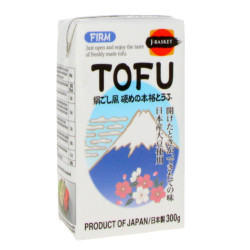
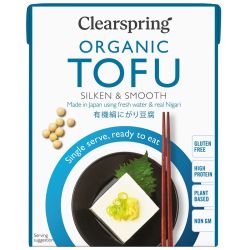
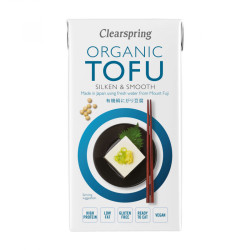
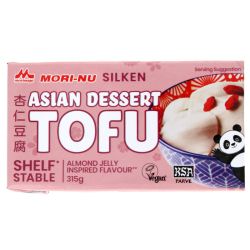
Japanese tofu is distinguished first of all by its texture, ranging from very soft, almost creamy silken tofu to firm silken tofu that can easily be cut into cubes.
Mild and subtle, it can be eaten cold, added to miso soup, mabodofu or nabe, and also used in sauces or desserts.
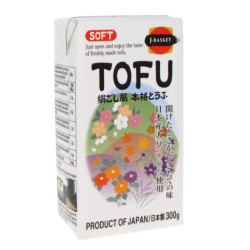
Long-life packs allow you to keep silken tofu in the cupboard before opening, while fried tofu pouches are used especially to prepare inarizushi.
Tofu is made by coagulating soy milk. Kinugoshi tofu, or silken tofu, coagulates without being pressed: its texture remains smooth, delicate and rich in water. Momen tofu is drained and then pressed, making it denser and more resistant to cooking. On packs of silken tofu, descriptions ranging from extra soft to extra firm mainly indicate how well the tofu holds its shape: firm tofu retains a neat shape once cut, soft tofu is more delicate, and extra-soft tofu is almost creamy.
Aseptically packaged long-life tofu can be kept in a cool, dry place without refrigeration before opening, until the date indicated.
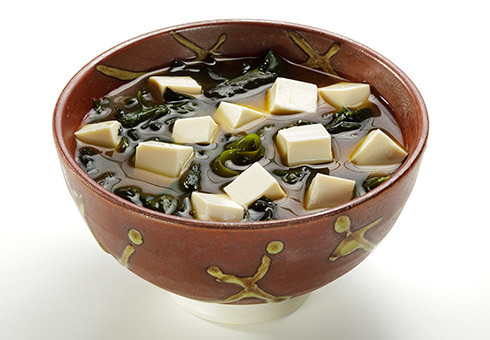
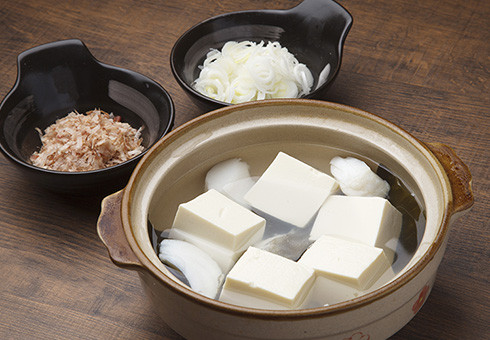
Firm silken tofu is the easiest to handle in a miso soup with wakame, a mabodofu, or a nabe or oden: cut it with a fine-bladed knife, add it towards the end and stir as little as possible.
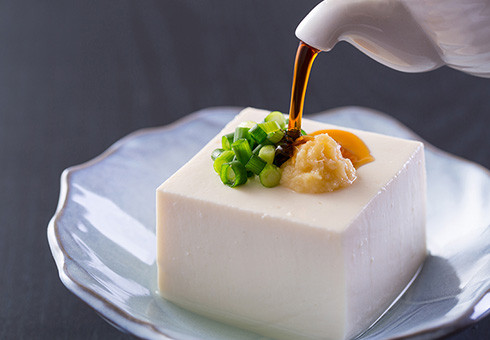
Soft tofu is well suited to hiyayakko, served cold with soy sauce, ginger and spring onion, as well as to sauces and creams.
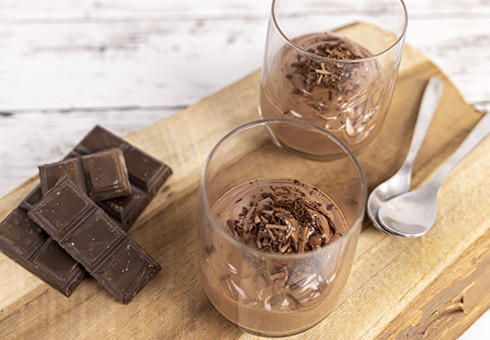
Extra-soft tofu is particularly easy to blend into a mousse, dessert or dressing.
After opening, place the remaining tofu in an airtight container in the refrigerator and consume it within 24 to 48 hours. The Japanese tofu packs offered here can be kept in a bowl of fresh water or covered with cling film in the refrigerator.
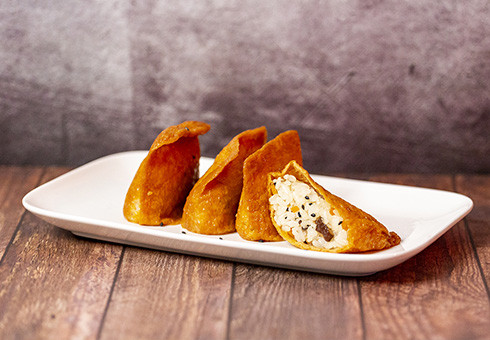
The pouches offered here are inari age: thin sheets of fried tofu that have been opened and then seasoned with soy sauce and mirin. Once gently reheated, they can be filled with vinegared Japanese short-grain rice to prepare inarizushi.
They are already seasoned with a sweet-and-savoury flavour and require no additional seasoning.
Abura age refers more generally to unseasoned fried tofu. Cut into strips, it absorbs the broth in miso soup and, when served over udon, becomes the typical topping for kitsune udon.