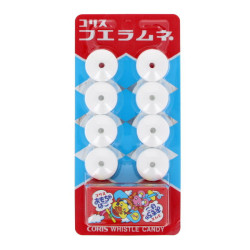
Japanese sweets are distinguished by the attention paid to texture as much as flavour. Some are very soft, others elastic, melt-in-the-mouth or designed to dissolve slowly. Fruit plays an important role, with often very precise flavours such as Muscat grape, peach, melon or yuzu.
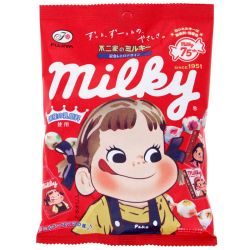
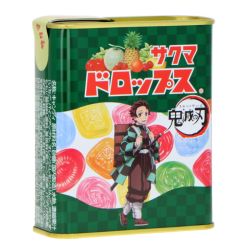
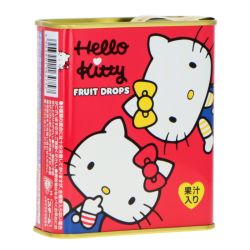
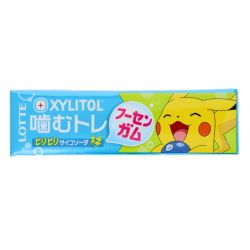
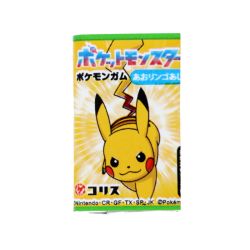
In Japan, these sweets are everyday treats, with easy-to-share formats and colourful packaging sometimes featuring well-known characters.
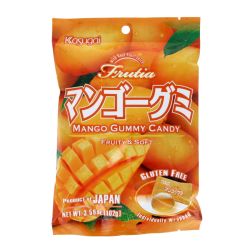
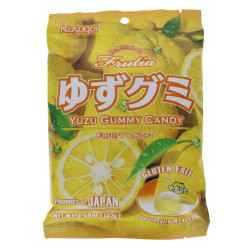
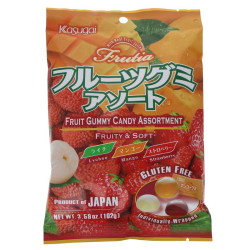
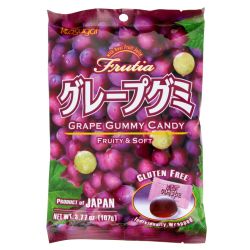
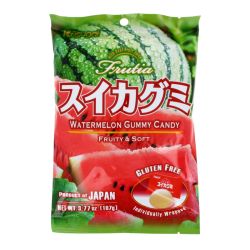
Japanese gumi are jelly sweets appreciated for their supple texture and fruity flavour. Depending on the recipe, they may be soft, bouncy or contain a more melting centre that intensifies the impression of fruit.
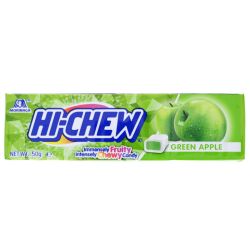
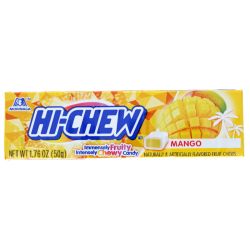
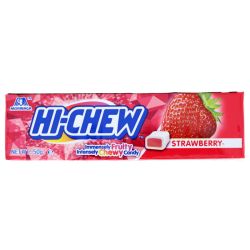
Hi-Chew have a different consistency, halfway between a soft caramel and a fruit chew: they are chewed for a long time but eaten completely, unlike chewing gum.
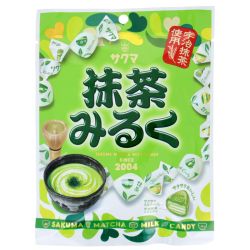
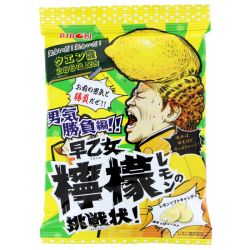
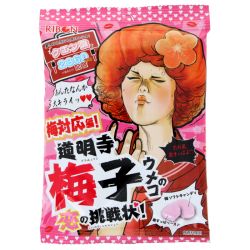
Hard sweets are designed to be enjoyed more slowly and may be flavoured with fruit, milk, caramel, black sugar, salt or peanuts.
These differences in texture make them easier to choose than relying only on the flavour shown on the packet.
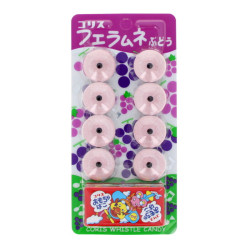
Peach, strawberry, mango, watermelon, kiwi and lychee sit alongside flavours particularly popular in Japan, such as white Muscat grape or Japanese yuzu, whose acidity adds greater freshness.
Other sweets feature roasted or deeper flavours, including black sesame, black sugar and kinako, roasted soybean flour.