-
MenuBack
- いらっしゃいませ Japanese grocery store
-
Japanese Grocery
-
-
separateur
-
separateur
-
-
separateur
-
-
separateur
-
-
separateur
-
-
Voir tous les produits
-
-
-
Japanese Teas
-
-
The Satsuki
-
-
-
champ de thé
-
-
Tea accessories
-
accessoires pour le thé
-
-
-
Sake
-
-
espacement
-
-
-
-
-
-
-
-
Tableware and Accessories
-
-
-
-
-
-
-
-
Voir tous les produits
-
-
-
Instant food & Snacks
-
-
Blog & Japanese Recipes
-
-
blog japonais
-
-
-
-
-
-
News & Special offers
-
-
-
-
-
-
-
-
-
Pro
-
-
Shirataki Konjac Noodles
Konjac noodles, or shirataki, are fine Japanese noodles with a firm, slightly elastic texture. Traditionally used in stews and hot pots, they are now also valued for their very low calorie content and as an alternative to pasta.
What are shirataki noodles?
Shirataki are made from konjac tuber flour mixed with water. They contain no wheat or cereal flour.
They consist mainly of water and glucomannan fibre, which explains their very low calorie content per 100 g, although the exact nutritional values vary depending on the product.
Their flavour is very subtle, allowing them to absorb the taste of a broth or sauce. Their texture remains firmer and more elastic than that of Japanese noodles made from wheat, buckwheat or rice.
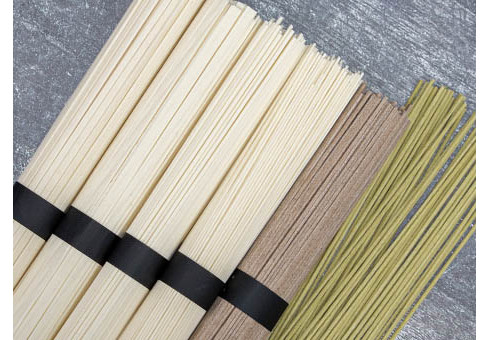
How to prepare and cook shirataki
Shirataki are generally packed in liquid.
A slight alkaline smell when the packet is opened is normal. Drain the noodles, rinse them thoroughly under cold water, then boil them for two or three minutes or heat them briefly in a dry frying pan.
This step reduces the smell and helps the noodles absorb the flavours of the dish.
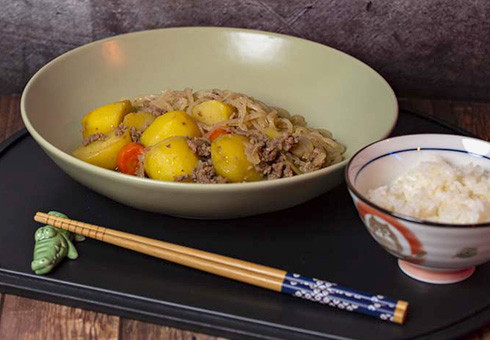
They can then be simmered in a tsuyu-based broth, added to a nabe or sukiyaki, served cold with a dressing or stir-fried with vegetables.
Because their flavour is neutral, they generally work better with a well-seasoned broth or sauce than with oil alone.
White, black or tied shirataki: which should you choose?
White shirataki have the appearance of thin translucent noodles.
Black shirataki are generally coloured with seaweed. Their use and flavour remain very similar, so the choice is mainly visual.
Shirataki tied into small knots hold up well during prolonged cooking and are easy to serve in hot pots and stews. Loose noodles are more convenient for stir-fries with vegetables and Japanese sauces.
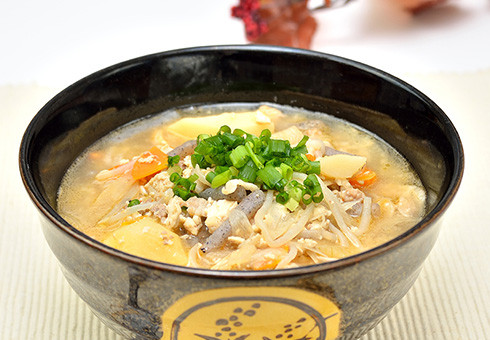
Konjac is also available in other forms, including firm ita konnyaku blocks. These are better suited to curry, oden and dishes requiring a thicker, chewier texture. They can be found in our konjac and shirataki selection.
There are 6 products.
Active filters