Filter By

Availability

Availability

Shochu and Awamori

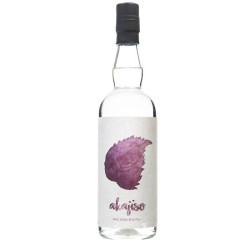
Shôchû (焼酎) and awamori (泡盛) are Japanese alcoholic drinks produced by distillation. Unlike sake, they are therefore not simply fermented. They also differ from Japanese umeshu, which is milder and fruitier and is made by macerating ume fruit and sugar in an alcohol that has already been produced.

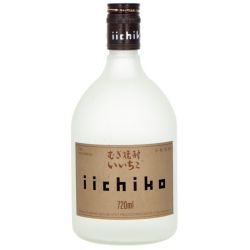
Shôchû production begins with fermentation involving kôji, followed by distillation to concentrate the aromas. Honkaku shôchû (本格焼酎), distilled only once, retains more of the character of its ingredients. Shôchû produced through continuous distillation has a more neutral profile and is particularly suitable for cocktails, Japanese sours and chûhai made with tea, citrus fruits or yuzu products.
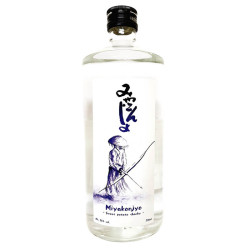
Sweet potato shôchû, or imo shôchû (芋焼酎), is generally the most aromatic. Depending on the variety of sweet potato and the kôji used, it may be vegetal, floral or fruity, or develop a fairly rounded sweetness. Barley shôchû, or mugi shôchû (麦焼酎), often has a smoother, slightly roasted profile. Rice-based varieties are generally finer and cleaner, while red shiso or the use of yellow kôji adds further personality.

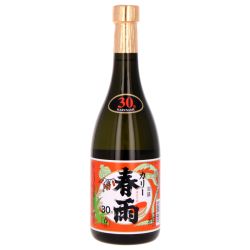
Awamori is a traditional Okinawan spirit made from long-grain rice that is converted entirely into black kôji, then fermented and distilled. This method gives it a more powerful character and an aromatic expression different from that of sweet potato, barley or rice shôchû. Awamori can also be aged for several years: it is then known as kûsu (古酒) and gradually develops greater roundness, depth and complexity.
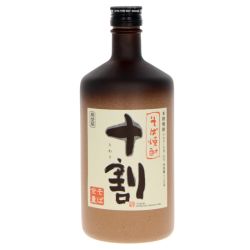
Shôchû can be served neat, over ice, or diluted with cold or sparkling water. With sweet potato shôchû, oyuwari (お湯割り) is worth trying: hot water is poured first, followed by the shôchû, allowing the two liquids to mix naturally and the aromas to develop.

A ratio of six parts shôchû to four parts water is a traditional guide that can be adjusted to taste.

Aromatic shôchû pairs well with grilled meat and dishes seasoned with a yakitori or teriyaki sauce. Lighter varieties work very well with fish, vegetables and a few Japanese savoury snacks.

Awamori can also be served neat, over ice or diluted with water, while aged bottles are often enjoyed in small quantities. Ageing in earthenware jars nevertheless produces aromas very different from those of Japanese whisky, which is generally influenced by the wood of its casks.
Active filters

€28.95
circle_notifications