Yakitori, teriyaki and sukiyaki sauces often share a sweet-and-savoury balance based on soy sauce, but they are not intended for the same use.
Yakitori sauce coats grilled skewers, teriyaki sauce is used to marinate or glaze different foods, while sukiyaki sauce seasons a Japanese hot pot cooked directly at the table.
It is brushed onto the skewers during cooking to create a glossy, lightly caramelised surface rich in umami.
As it contains sugar, it is best applied gradually, with the final stage of cooking completed over a moderate heat to prevent it from burning. A ready-to-use yakitori sauce makes it easy to achieve this balance and can also be used to coat fish, tofu, mushrooms or grilled vegetables.
Our yakitori skewer recipe also explains the main cuts and the two traditional seasonings.
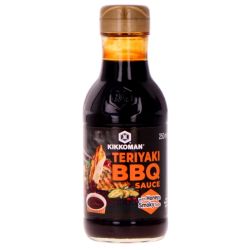
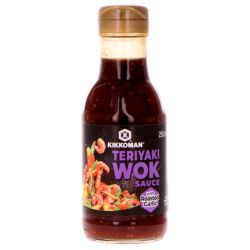
Teriyaki (照り焼き) primarily refers to a cooking method that gives food a glossy, glazed surface. Its sauce has a base similar to yakitori sauce, but it has a wider range of uses: chicken, salmon, beef, tofu or vegetables can be marinated, stir-fried or glazed with teriyaki sauce.
Teriyaki sauces offer different flavour profiles, from classic recipes to versions made with honey or garlic, or designed for wok cooking.
For an attractive glaze, the sauce can be added towards the end of cooking and reduced around the food for a few moments.
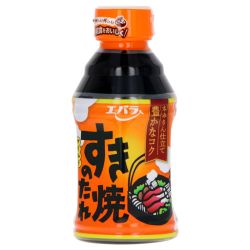
Sukiyaki sauce is not used as a marinade: it provides the cooking seasoning for sukiyaki (すき焼き).
In Japan, this sweet-and-savoury base is known as warishita (割り下). It is used to cook thin slices of beef, tofu, shirataki, leeks and mushrooms in a pot placed at the centre of the table. Depending on its concentration, it can be used directly or diluted with a little water to adjust the intensity of the broth.
The ingredients gradually absorb the sauce as they cook, giving the dish its deep, slightly sweet flavour. The proportions and cooking order are explained in our Japanese sukiyaki recipe.