Sauces for okonomiyaki, tonkatsu, yakisoba and takoyaki belong to a broad family of Japanese brown sauces, generally made with vegetables, fruit, vinegar, sugar and spices. Their flavours may seem similar, but their texture, acidity and intensity are adapted to different uses.
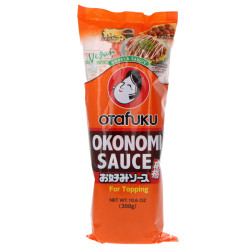
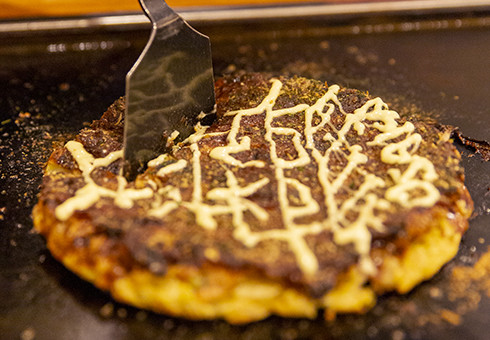
Okonomiyaki sauce is thick, mild and fruity, allowing it to remain on the surface of the Japanese pancake without soaking into its toppings. It forms the classic finishing touch for okonomiyaki, together with Japanese mayonnaise and flakes of dried bonito katsuobushi.
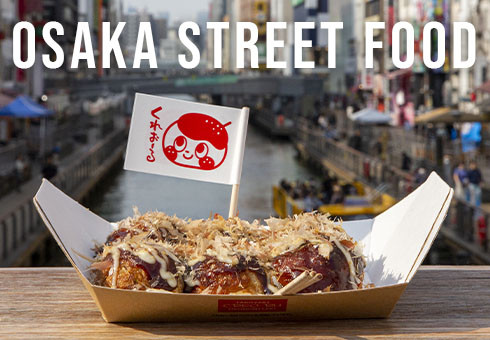
Takoyaki sauce belongs to the same family. Its texture allows it to coat the balls without running off too quickly, while its acidity and spices balance the flavour of the batter and octopus. The two sauces are similar enough to replace one another when you prefer to keep only one bottle.
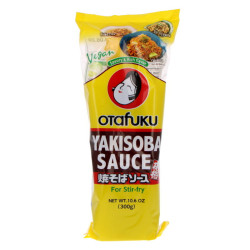
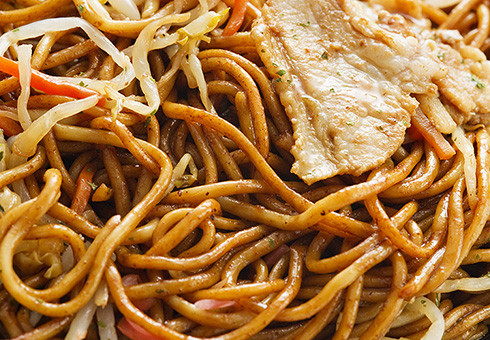
Yakisoba sauce is generally more fluid, tangier and more strongly flavoured with spices. Unlike the previous sauces, it is added during cooking so that it coats the noodles and mixes with the vegetables, meat or seafood.
Its consistency makes it easy to distribute throughout the pan, and its flavour remains noticeable after heating. Okonomiyaki sauce can be used as a substitute, but it will produce milder, sweeter and slightly thicker yakisoba.
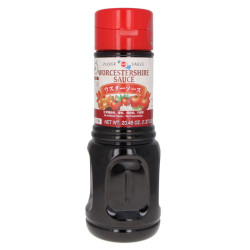
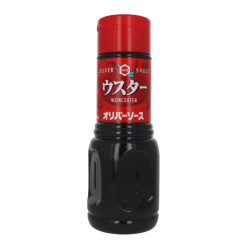
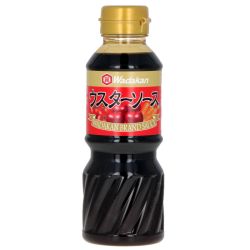
Japanese Worcester sauce is the most fluid and lively sauce in this family. Its acidity and spices make it suitable for stir-fried dishes, fried foods and seasoning preparations.
Chûnô sauce has an intermediate consistency. It combines the spicy fluidity of Worcester sauce with the milder flavour of tonkatsu sauce. Highly versatile, it can accompany fried foods, meat and vegetables, or be used as an ingredient in a homemade sauce.