-
MenuBack
- いらっしゃいませ Japanese grocery store
-
Japanese Grocery
-
-
separateur
-
separateur
-
-
separateur
-
-
separateur
-
-
separateur
-
-
Voir tous les produits
-
-
-
Japanese Teas
-
-
The Satsuki
-
-
-
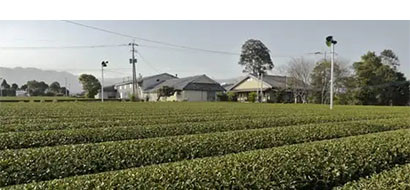
champ de thé
-
-
Tea accessories
-
accessoires pour le thé
-
-
-
Sake
-
-
espacement
-
-
-
-
-
-
-
-
Tableware and Accessories
-
-
-
-
-
-
-
-
Voir tous les produits
-
-
-
Instant food & Snacks
-
-
Blog & Japanese Recipes
-
-
blog japonais
-
-
-
-
-
-
News & Special offers
-
-
-
-
-
-
-
-
-
Pro
-
-
Filter By
Availability
Availability
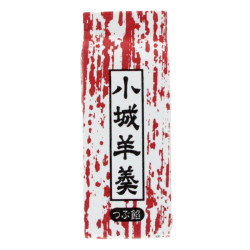
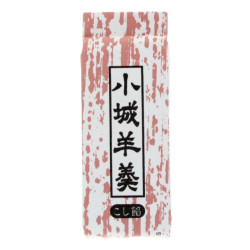
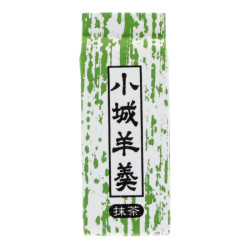
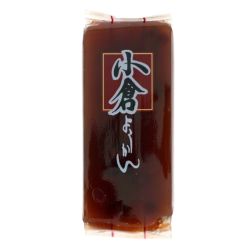
Yokan
Yôkan (羊羹) is a traditional Japanese sweet with a smooth, dense and melt-in-the-mouth texture. Still relatively little known in France, this wagashi, or Japanese confectionery, is generally cut into small slices and enjoyed slowly, often accompanied by unsweetened Japanese tea.
A Japanese sweet made with anko and kanten
Yôkan is mainly made with anko, sweet azuki bean paste, sugar and kanten, a Japanese plant-based gelling agent obtained from seaweed.
After cooking, the mixture is poured into a mould and chilled until firm enough to slice. Its texture is not quite the same as that of a conventional jelly: it remains richer and more compact, while fully retaining the flavour of the beans.
Yôkan originated in a very old Chinese preparation that was radically transformed in Japan under the influence of Buddhist cooking.
The use of anko and kanten gradually gave rise, during the Edo period, to the sweet known today.
Neri-yôkan, mizu-yôkan and other variations
Neri-yôkan is the classic form: relatively firm and concentrated, it has an even texture that allows it to be sliced neatly.
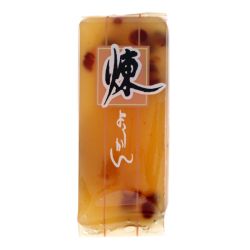
When it retains pieces or whole azuki beans, it is generally called ogura-yôkan, which is particularly appealing if you enjoy a little more texture.
Mizu-yôkan contains more water. Softer and lighter in the mouth, it is usually served chilled during the summer.
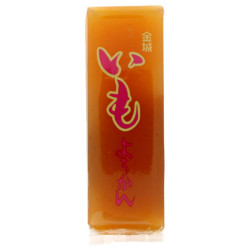
Recipes may also combine azuki with Japanese matcha, sesame or sweet potato. Matcha adds a slight bitterness, sesame a roasted flavour, while sweet potato produces a milder, rounder result.
Compared with mochi and daifuku, yôkan is not elastic: it has a clean, firm texture, is easy to slice and is particularly suited to small portions served with tea.
There are 7 products.
Active filters