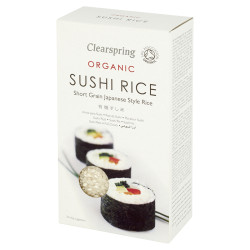
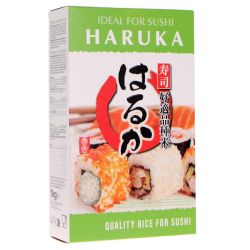
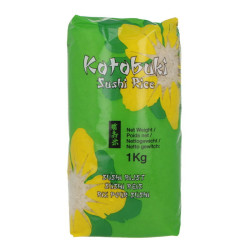
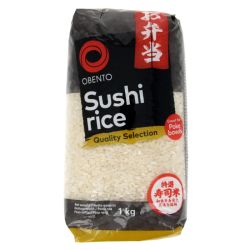
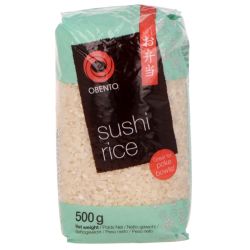
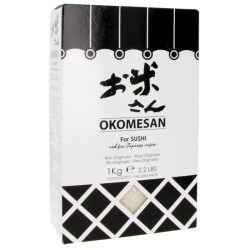
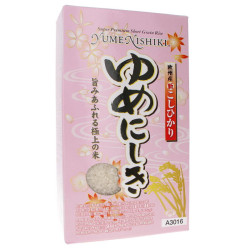
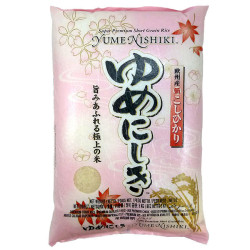
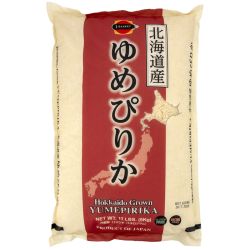
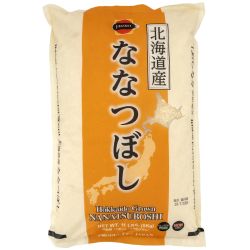
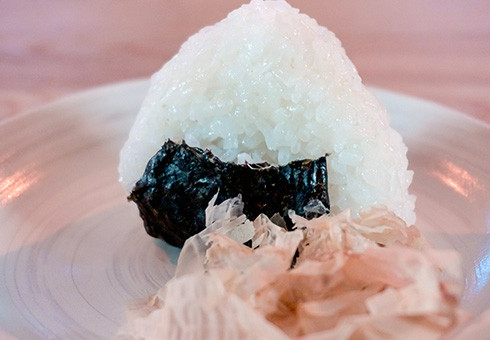
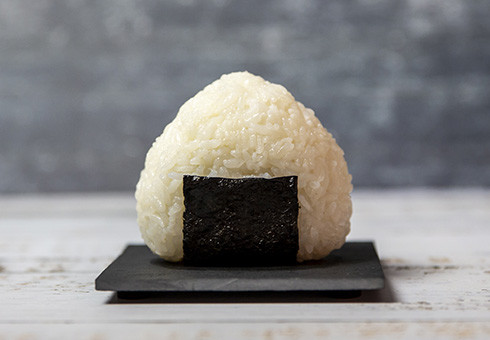
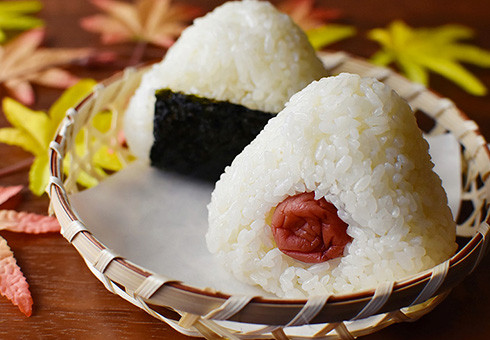
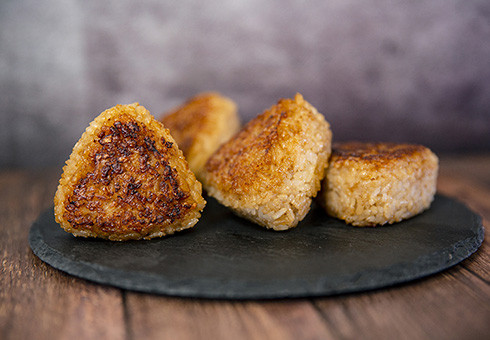
The rice used in Japanese cooking is generally a short- or medium-grain white rice belonging to the japonica group. Once cooked, the grains remain tender, glossy and slightly sticky: they are easy to pick up with chopsticks and retain a pleasant texture and flavour when served plain.
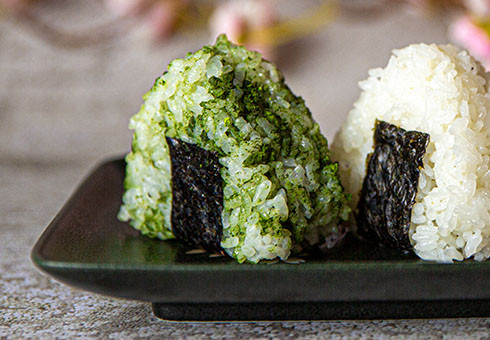
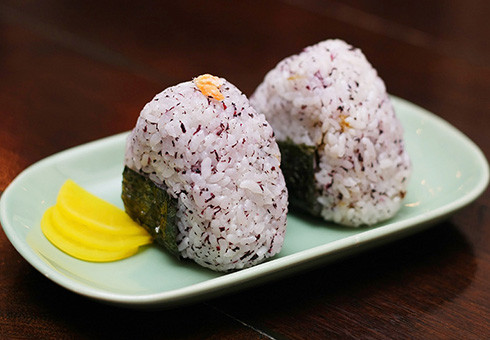
This rice is suitable for everyday Japanese meals, as well as sushi, onigiri, donburi, curries and other dishes served with rice.
White rice, 白米 (hakumai), is rice from which the husk and bran layer have been removed during polishing, unlike Japanese brown rice. The term “short-grain rice” provides a simple reference here, covering short grains and certain medium grains suited to Japanese cooking. Their starch content allows them to hold together slightly after cooking without becoming mushy.
It should not be confused with mochigome glutinous rice, which is much stickier and intended for particular preparations such as mochi. Japanese short-grain rice may be grown in Japan, but also in Italy or the United States, using Japanese varieties or japonica-type rice.
There are more than one hundred rice varieties in Japan. Some are better known than others.
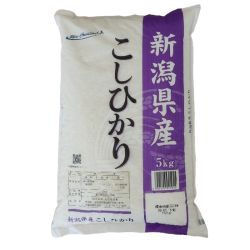
Koshihikari is the best-known Japanese variety. Its short grains produce tender, glossy and slightly sweet rice, with enough stickiness for onigiri or sushi. It is also excellent served plain and pairs easily with donburi or Japanese curry.
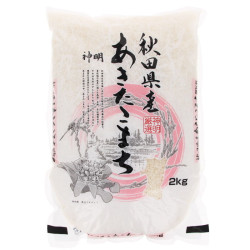
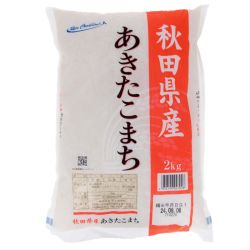
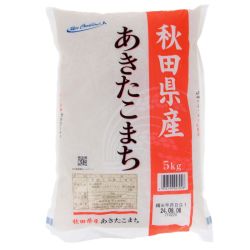
Akita Komachi, an iconic variety from Akita Prefecture derived from Koshihikari, is appreciated for its balance of tenderness, flavour and ability to hold its shape. It is versatile and suitable both for everyday rice and for dishes where the grains need to stay together.
Nijinokirameki is a more recent Japanese variety, developed to maintain good grain quality despite high growing temperatures.
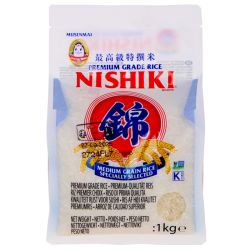
Tamanishiki rice also offers short grains suited to Japanese dishes and sushi, while Nishiki is a slightly firmer medium-grain rice appreciated for its consistency and ease of preparation.