















€2.10
Japanese noodles play an important role in everyday cooking in Japan. They are chosen primarily according to their texture and how they will be served.
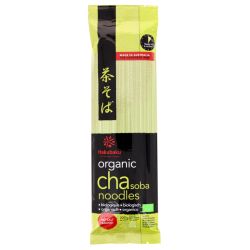
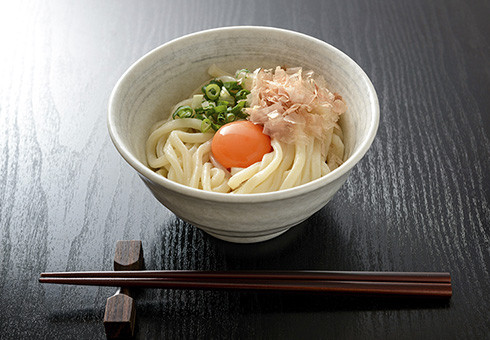
Traditional dried Japanese noodles include ramen or chukamen, which are thin and springy, thick and chewy udon, and wider, flatter kishimen. Buckwheat soba have a more distinctive flavour, while somen and hiyamugi are much thinner. Chasoba are made with green tea, which gives them their characteristic colour and a subtle vegetal note.
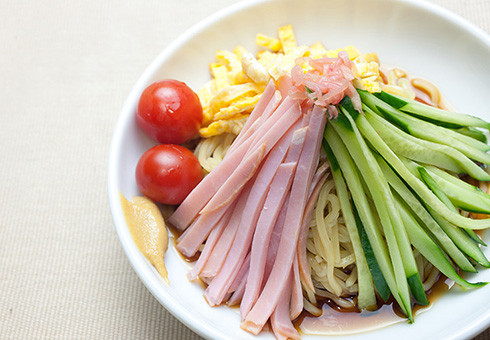
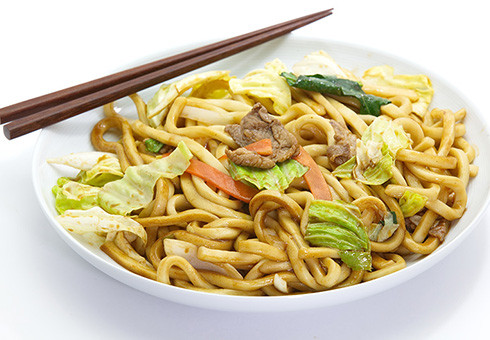
Ramen are mainly intended for soups, while udon can be served in broth, cold with a dipping sauce or stir-fried. Soba can also be enjoyed hot or cold, while somen cook very quickly and are particularly popular served cold in summer. Yakisoba are designed for stir-fried dishes and, despite their name, are not generally made from buckwheat like soba noodles.
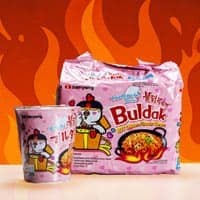
The format also matters: dried noodles allow you to control the cooking time precisely, while precooked noodles make soups and stir-fried dishes easier to prepare. Instant noodles in packets and cup noodles are convenient for quick meals. For seasoning, tsuyu and noodle broths can be used to prepare ramen soup or served with udon, soba and somen, either hot or cold.
Shirataki konjac noodles are translucent and very low in calories. They form a separate family and are very different from noodles made from cereals.
For flavours that are often spicier, including the famous Buldak range, ramyeon and other Korean noodles are grouped together in a separate category.