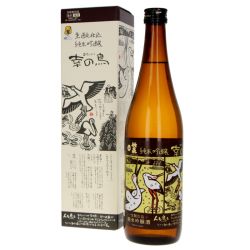
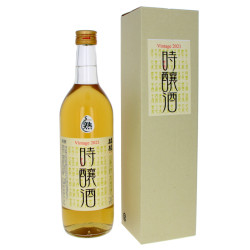
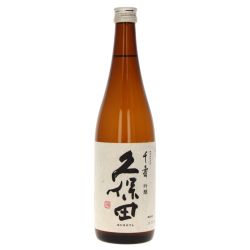
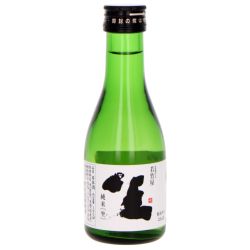
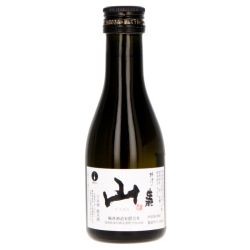
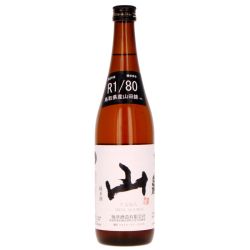
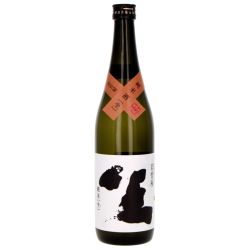
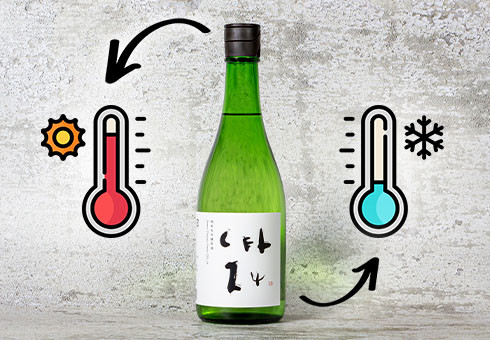
Serving sake warm reveals a different side of the drink. Gentle heat can soften its texture, develop its umami and highlight notes of rice, grain or fermentation.
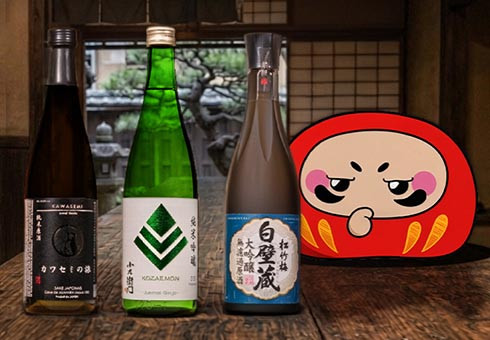
This selection brings together sake that can be enjoyed warm, including certain Junmai sake, Honjôzô, Kimoto and Yamahai. The ideal serving temperature varies from one bottle to another, so check our recommendations and the information provided on each product page.
Not every sake is intended to be heated. For this selection, we favour bottles whose structure, umami and aromatic profile respond well to a rise in temperature. Warming sake is not a way of masking its flavour: it allows another side of the drink to emerge.
Junmai sake is often a good place to start. Its character can become rounder and fuller when served gently warmed. Certain Honjôzô are also particularly pleasant when heated, with a smooth texture and a clean finish.
The traditional Kimoto and Yamahai methods can produce more structured sake with distinctive acidity and umami. These characteristics may develop beautifully with warmth and work well alongside deeply flavoured dishes.
These are useful guidelines rather than fixed rules. Two sake from the same category may react very differently to heat. Whenever they are available, the brewery’s serving recommendations are therefore included on our product pages.
In Japan, warmed sake is known as kanzake (燗酒). This does not refer to one specific temperature: several serving levels allow the aromas, texture and perception of alcohol to change gradually.
Around 40°C:nurukan (ぬる燗) is gently warm and usually preserves a good balance between aroma and roundness.
Around 45°C:jôkan (上燗) feels warmer and can give the sake greater presence on the palate.
Around 50°C:atsukan (熱燗) is distinctly hot and suits sake capable of maintaining its balance at this temperature.
For your first tasting, begin at around 40°C. Taste the sake, then raise the temperature slightly if you would like more warmth and intensity. A difference of just a few degrees can noticeably change the same bottle.
Avoid bringing sake to the boil. Excessive heat can disrupt its aromatic balance and make the alcohol feel much more pronounced. To learn more about the different serving temperatures, read our guide: Should sake be served warm or chilled?
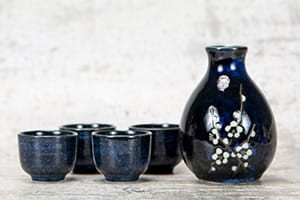
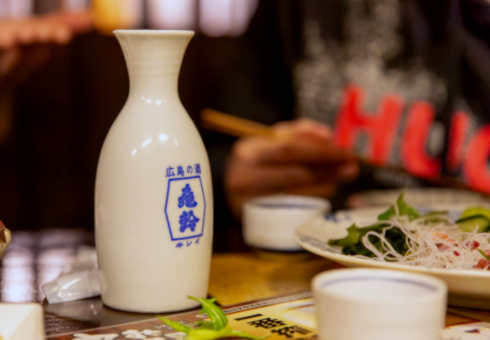
The gentlest method is to pour the sake into a small carafe, or tokkuri (徳利), then place it in a saucepan of hot water for a few minutes. This water-bath method allows the temperature to rise gradually and relatively evenly.
Pour the required amount of sake into a suitable carafe.
Heat some water in a saucepan, then remove it from the heat before it reaches boiling point.
Place the carafe in the hot water without submerging its opening.
Check the temperature regularly and stir gently before serving.
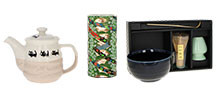
A kitchen thermometer is helpful for your first few attempts. With experience, the warmth of the outside of the carafe will already provide a useful indication. You can also browse our sake carafes, cups and serving sets to warm and serve your bottle.