Filter By

Availability

Availability

Special

Special

Umeboshi salted plums

Ume, often called Japanese plum, is a fruit deeply connected to Japan’s seasons and culture. Its blossoms announce the end of winter, while its harvest in early summer marks the season of umeshigoto: the family work devoted to preparing it.

Very tart, ume is mainly eaten after processing. Salted, matured and sometimes combined with red shiso, it becomes umeboshi; the liquid collected during this process becomes umesu, or plum vinegar.

For a much milder and fruitier expression of ume, entirely different from these salty preparations, Japanese umeshu is a liqueur made by macerating the fruit with alcohol and sugar.

Ume plum
Ume fruit on its branch

In Japan, umeboshi is much more than a condiment: it has belonged to the culture of preserved foods and family cooking for centuries. Long considered an everyday remedy, it is traditionally credited with digestive and restorative properties, particularly against fatigue or loss of appetite.

Ume does contain organic acids and antioxidant compounds, but clinical evidence remains limited. As umeboshi is very salty, it is generally eaten in small quantities.

Umeboshi are ume preserved in salt, left to mature and then traditionally dried.

Red shiso, a variety of perilla, can give them a red colour and an additional vegetal note. Their flavour is distinctly salty and tangy, so a small amount is generally enough.

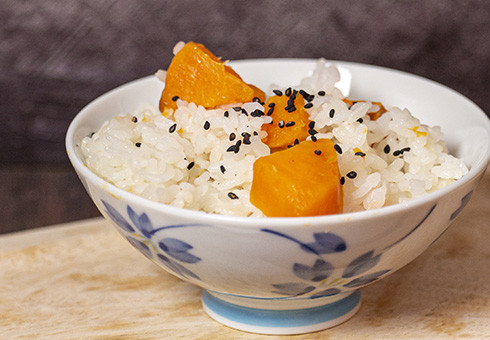
Whole umeboshi can simply be served with a bowl of white rice. Once pitted, they make a classic filling for umeboshi onigiri or can be placed on ochazuke.

Their flesh can also be chopped and mixed with cucumber, a dressing, a sauce or a marinade for tofu, fish or meat.

Umesu is the salty, tangy liquid extracted from ume during the preparation of umeboshi, often with red shiso. It is commonly called plum vinegar, but its flavour profile differs considerably from that of rice and cereal vinegars: it provides both acidity and a high level of salt.

A few drops can enhance a dressing, marinade, vegetables or a tataki kyuri cucumber salad.

It is also suitable for pickled vegetables and certain ginger and tsukemono preparations. When it replaces a conventional vinegar, it is best to taste the dish before adding salt.

Umeboshi paste provides the salty, tangy flavour of the fruit without the need to remove its stone.
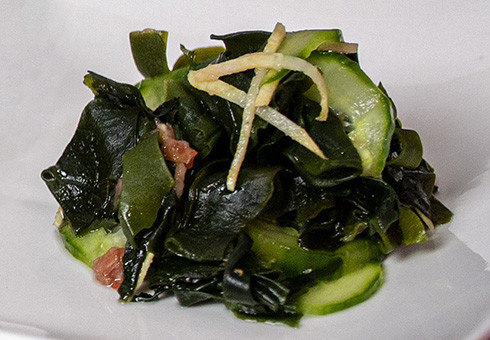
It is easy to distribute through a sauce, dressing or marinade. A small amount is enough to season rice, cold noodles, stir-fried vegetables or a sauce served with tofu or fish.

As the composition varies between products, the level of salt and the presence of shiso may differ.

Active filters