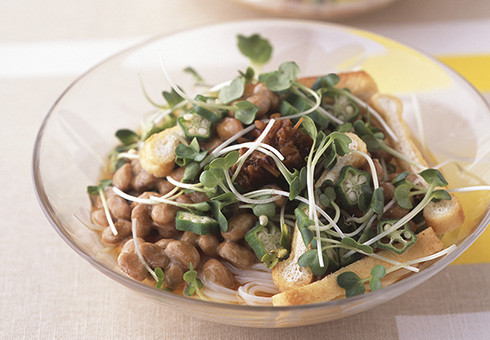
Japanese Noodles

In Japan, noodles are part of everyday cooking and many regional specialities. They are served in a steaming broth, cold with a dipping sauce, or stir-fried with vegetables and toppings.

Behind this apparent simplicity, the flour used, the shape and especially the thickness of the noodles completely change the texture and balance of the dish.

There is no single type of Japanese noodle. Their name generally indicates the flour used, their thickness and texture, as well as how they are cooked. The easiest way to choose is therefore to start with the dish you want to prepare.

Ramen and chukamen noodles are generally thin, springy wheat noodles. They are mainly served in broth, although some varieties can also be stir-fried.

Udon and kishimen are also made from wheat. Udon are thick and chewy, while kishimen are wider and flatter. Both can be served hot in broth, cold with a dipping sauce or stir-fried.

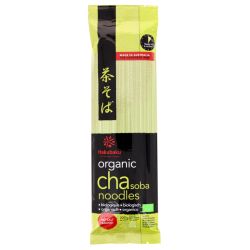
Soba are made partly or entirely from buckwheat, which gives them a more distinctive flavour. They can be served hot or cold. Chasoba belong to the same family, with green tea added to give them their characteristic colour and subtle vegetal note.

However, many soba also contain wheat flour. They should therefore not automatically be considered gluten-free.

Somen and hiyamugi are much thinner wheat noodles. Somen are particularly fine and cook very quickly, while hiyamugi are slightly thicker. Both are especially popular served cold in summer.

Other Japanese noodles include yakisoba, intended for stir-fried dishes, harusame made from starch, and various rice noodles used in Japanese and other Asian recipes.

Dried Japanese noodles are generally cooked in a large pan of boiling water, following the cooking time indicated on the packet. Salt is usually unnecessary, as the noodles and their accompanying sauce or broth already provide the seasoning.

For a cold dish, drain the noodles and rinse them thoroughly under cold water. This stops the cooking process, removes excess starch and firms up their texture.

For a soup, prepare the tsuyu or noodle broth separately, then add the drained noodles just before serving.

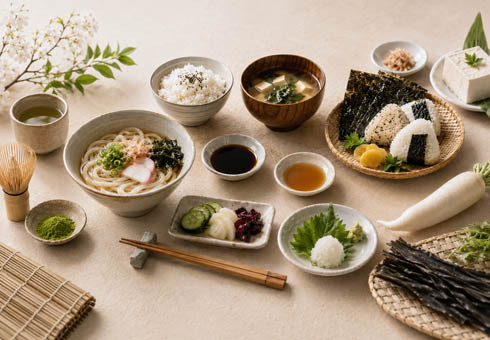
Japanese noodles can be served with a cold dipping sauce, a dashi-based broth, vegetables, mushrooms, tofu, egg or seaweed. For more ideas, browse our Japanese noodle recipes.

Active filters

  • Origin: Australia
  • Origin: Thailand
  • Special: Organic