Miso

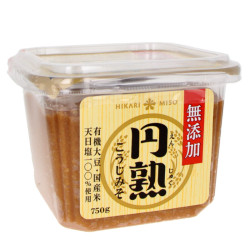
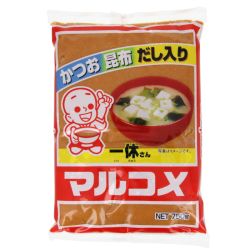
Japanese miso (味噌) is a fermented paste rich in umami. The word is pronounced “misso”. A staple in Japan, it is not used only to make miso soup: it can also season broths, sauces, vegetables, marinades and many simmered dishes. Its colour, sweetness and intensity vary considerably from one miso to another.

Miso is generally made from soybeans, salt and kôji (麹), a ferment cultivated on rice, barley or soybeans. The choice of grain, its proportion in relation to the soybeans, the amount of salt, the region of production and the length of fermentation all influence its colour and flavour.

Rice miso therefore differs from barley miso, while soybean miso has another character altogether. Fermentation may last from a few weeks to several months, or even longer for certain products. Colour is a useful guide, but it is not enough to define a miso precisely: two pastes with a similar colour may have very different levels of sweetness, saltiness and intensity.

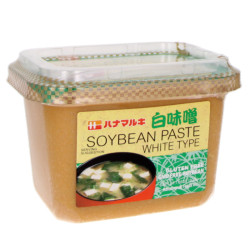
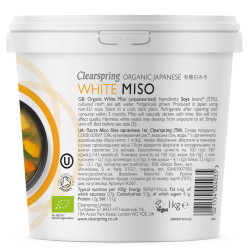
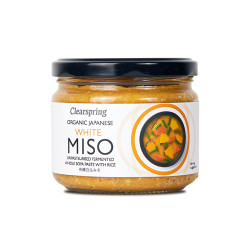
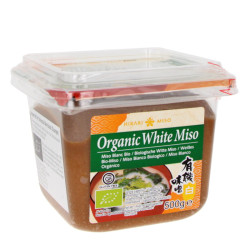
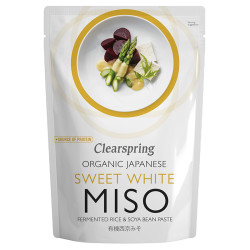
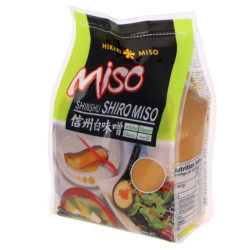
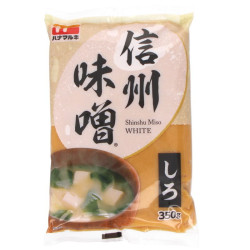
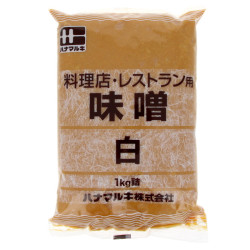
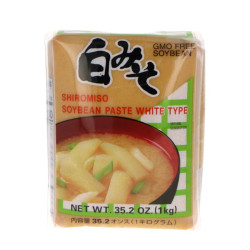
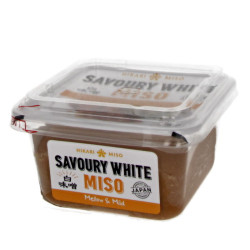
Shiro miso (白味噌), or white miso, is generally pale, mild and slightly sweet. Often richer in kôji and fermented for a shorter time, it is well suited to light soups, dressings, creamy sauces, vegetables and marinades for fish or white meat.

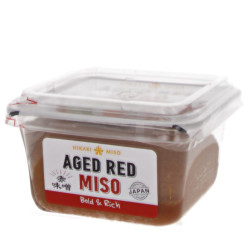
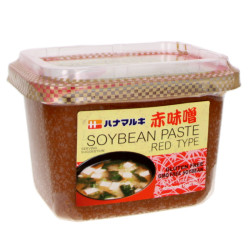
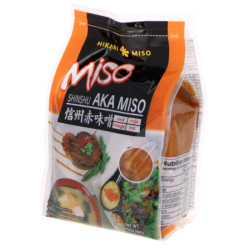
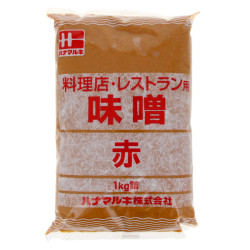
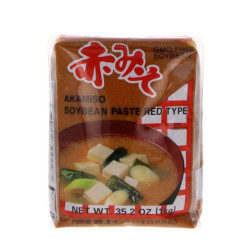
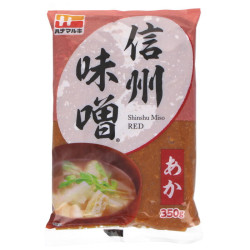
Aka miso (赤味噌), or red miso, usually has a more intense, deeper and sometimes saltier flavour. It works particularly well in full-bodied broths, simmered dishes, sauces and miso ramen.

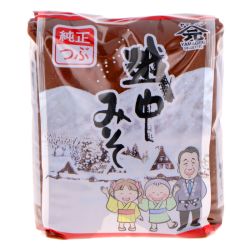
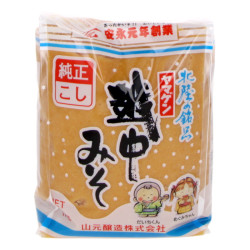
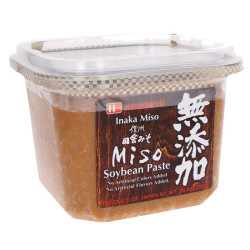
Between the two lies a wide variety of other miso. Brown miso, country-style miso known as inaka miso, and blended awase miso offer more balanced flavour profiles and different textures.
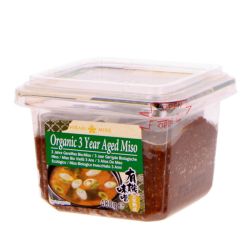
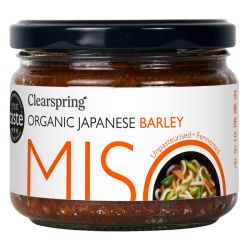
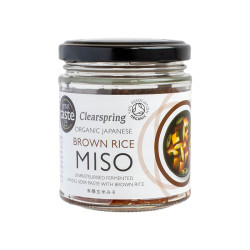
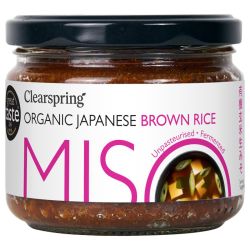
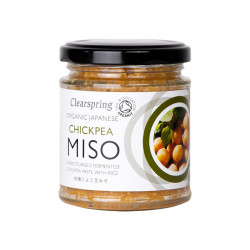
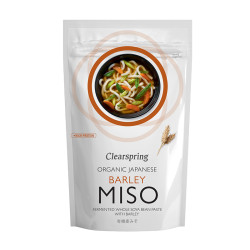
There are also brown rice, barley and soybean misos, as well as black miso and fermented chickpea preparations, each with its own character.

For a first use, a relatively mild and versatile miso is easy to measure. A darker miso is more suitable when you are looking for a stronger fermented flavour.
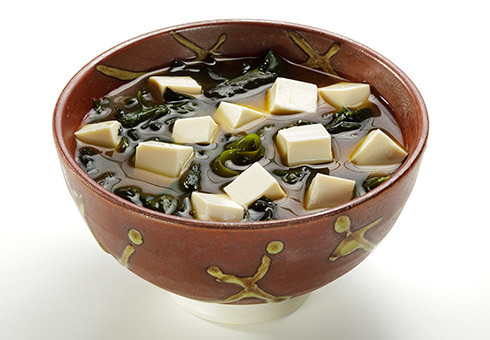
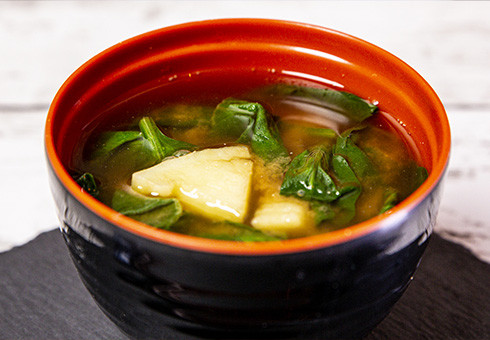
To prepare miso soup, the miso is dissolved in a dashi broth, preferably towards the end of preparation, as prolonged boiling reduces its aromas. Our basic miso soup recipe provides a simple explanation of the right balance between broth, fermented paste and garnishes. Miso can also enrich a miso ramen broth, be mixed with mirin and cooking sake for a marinade, or combined with a Japanese vinegar to make a sauce.
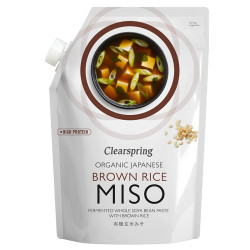
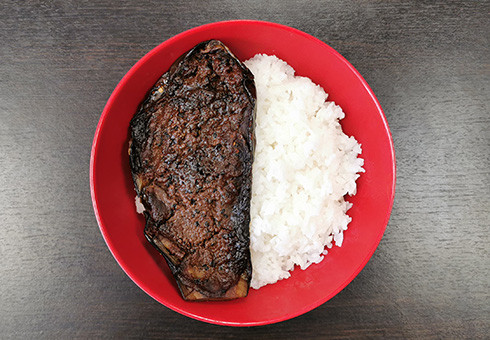
As miso is already salty, it is best to begin with a small amount, taste, and then adjust. When grilling, the browning should also be watched carefully, as miso-based preparations colour quickly.

The quality of a miso depends above all on its raw ingredients, the proportion of kôji, control of the fermentation process and the length of maturation. Once the desired flavour profile has been achieved, some producers add a small quantity of food-grade alcohol to stop or considerably slow down the activity of the yeasts. This stabilisation prevents the miso from continuing to produce gas, the packaging from swelling, and the colour or flavour from changing too quickly.

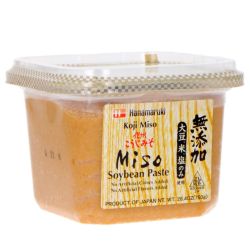
The addition of alcohol is therefore not necessarily a sign of lower-quality miso: it is primarily a preservation choice and differs from pasteurisation. Alcohol-free, unpasteurised misos continue to evolve more readily and generally need to be kept refrigerated.

Active filters

€8.35
circle_notifications
vegan
gluten free
Sweet miso sauce 370g Rupture de stock
€6.00
circle_notifications
White miso paste 300g Rupture de stock
€3.90
circle_notifications