-
MenuBack
- いらっしゃいませ Japanese grocery store
-
Japanese Grocery
-
-
separateur
-
separateur
-
-
separateur
-
-
separateur
-
-
separateur
-
-
Voir tous les produits
-
-
-
Japanese Teas
-
-
The Satsuki
-
-
-
champ de thé
-
-
Tea accessories
-
accessoires pour le thé
-
-
-
Sake
-
-
espacement
-
-
-
-
-
-
-
-
Tableware and Accessories
-
-
-
-
-
-
-
-
Voir tous les produits
-
-
-
Instant food & Snacks
-
-
Blog & Japanese Recipes
-
-
blog japonais
-
-
-
-
-
-
News & Special offers
-
-
-
-
-
-
-
-
-
Pro
-
-
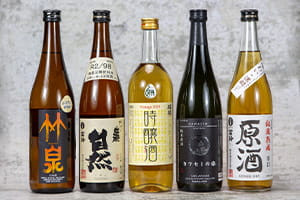
Sake for cooking
Known in Japanese as ryôrishu (料理酒), cooking sake adds depth by bringing out umami and gives dishes an authentic Japanese character.
What is cooking sake?
Cooking sake is fundamentally a sake, like sake intended for drinking. It is often produced more simply and with less refined ingredients. Some cooking sakes also contain a small amount of added salt.
Cooking sake helps bring out the flavours of the ingredients while adding a subtle and distinctly Japanese umami note. It is particularly well suited to fish, meat and vegetables: when used before cooking, it helps tenderise them and reduce certain odours, especially those of fish.
Ryôrishu is a sake specifically intended for cooking. Depending on the recipe and the product, a standard Japanese sake can also be used. The important point is to choose a product suited to the intended use and add it in moderation, so that it complements the other flavours without overpowering them.
How to use cooking sake in Japanese cuisine
Cooking sake can be used to marinate meat, fish or vegetables before cooking, helping to tenderise them and add a subtle flavour.
It can also be used to deglaze frying pans or saucepans when preparing flavourful sauces, including teriyaki and soy-based sauces.
It adds depth to broths and soups, including ramen and dashi.
It can also be incorporated into simmered dishes such as nikujaga, a beef and potato stew, to enrich their flavour.
How to use cooking sake in Western cuisine
It can replace white wine in many recipes — try it in tartiflette, fondue or raclette!
It can be used to deglaze frying pans or add flavour to sauces.
It can be incorporated into marinades for meat or fish to add complexity and a Japanese touch.
It can be used in sauces for dishes such as lemon chicken or grilled salmon.
It can also be added to salad dressings for an Asian-inspired flavour.
Cooking sake, mirin and soy sauce: complementary ingredients
Cooking sake adds depth, while mirin provides natural sweetness and gives sauces and glazes an attractive glossy finish.
Combined with soy sauce, these ingredients form a simple base for many Japanese recipes, including teriyaki, donburi, simmered vegetables, grilled fish and marinades.

There are 6 products.
Active filters