










Soy sauces

Japanese soy sauce, or shôyu (醤油), is much more than a simple salty condiment. Produced by fermenting soybeans, often with wheat, water and salt, it brings depth, aroma and umami to everyday dishes. Classic, mild, reduced-salt, tamari or unpasteurised: each type of soy sauce has its own character and uses.

Classic soy sauce: koikuchi shôyu

Koikuchi shôyu (濃口醤油) is the most common Japanese soy sauce. Its dark brown colour and balance of saltiness, aroma and umami make it highly versatile. It can accompany sushi, rice, vegetables, meat and fish, or be used in marinades and homemade sauces.

When choosing just one Japanese soy sauce for everyday cooking, this is generally the most versatile option. It can also replace some of the salt in a soup, dressing or cooked dish.

Light soy sauce: usukuchi shôyu

Usukuchi shôyu (薄口醤油), also referred to as “light soy sauce” in some recipes, is lighter in colour but not necessarily lower in salt. It is particularly common in the cooking of Kyoto and western Japan, where it is used to season broths, simmered vegetables, eggs and delicate preparations without darkening their colour.

Its flavour is more delicate and less powerful than that of classic soy sauce. It is well suited to soups, broths, vegetables and dishes in which appearance is as important as seasoning.

Tamari: intense and often wheat-free

Tamari shôyu (たまり醤油) is a darker, denser Japanese soy sauce that is often richer in umami. Historically linked to miso production, it contains little or no wheat depending on the recipe. It is therefore often chosen by people looking for gluten-free soy sauce, although the product label should always be checked.

Its powerful flavour is particularly suited to grilled foods, mushrooms, simmered dishes, marinades and sauces. A few drops are often enough to add depth to a recipe.

Marudaizu soy sauce: made with whole soybeans

Marudaizu soy sauce (丸大豆醤油) is made from whole soybeans rather than defatted soybeans. This method generally produces a rounder, more aromatic sauce with a fuller mouthfeel.

It can be enjoyed simply with tofu, rice, sashimi or vegetables. It is also a good table sauce for anyone wishing to explore the nuances of a more refined Japanese shôyu.

Unpasteurised soy sauce: nama shôyu

Nama shôyu (生醤油) is an unpasteurised soy sauce. It retains fresh and lively aromas, often with a more delicate character that is particularly noticeable when the sauce is used cold or added at the end of preparation.

It is ideal with tofu, eggs, rice, vegetables or sashimi. After opening, it should generally be kept refrigerated and used fairly quickly to preserve its delicate flavour.

Sweet and mild soy sauces

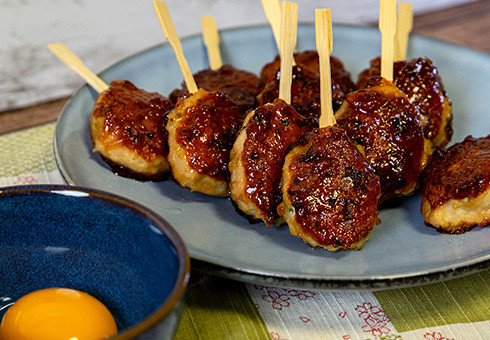
Amakuchi soy sauces (甘口醤油) have a milder, sweeter flavour. They are particularly popular in certain regions of Japan and are easy to use with rice, yakitori skewers, meat, grilled fish or vegetables.

Their rounded flavour also makes it easy to prepare glazes and rich sauces. They do not necessarily replace classic soy sauce in every recipe, but they make an excellent complement.

Low-salt soy sauces

Low-salt soy sauces, or gen’en shôyu (減塩醤油), contain less salt than classic soy sauce while retaining genuine aromatic depth. They make it possible to season Japanese and everyday dishes with the characteristic umami of shôyu.

They are particularly useful for frequent use at the table or in cooking. As with all soy sauces, their intensity varies between producers: it is best to add them gradually and then adjust to taste.

For a versatile option, choose classic koikuchi soy sauce. For clear broths and delicate recipes, choose light usukuchi soy sauce. Tamari is suited to stronger flavours or gluten-free recipes when the individual product is certified as suitable. Sweet soy sauce is ideal for marinades and glazes, while nama shôyu reveals its full delicacy when used cold.

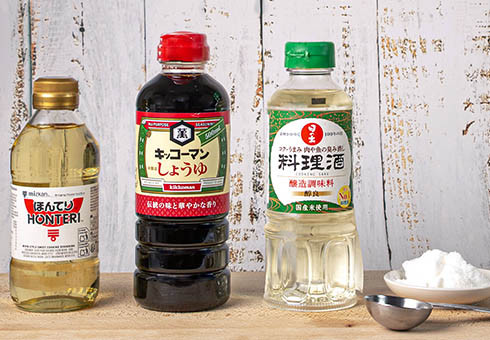
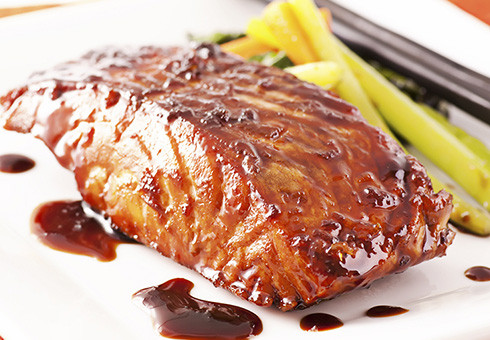
Soy sauce can be served at the table or used to marinate, deglaze, season a broth or enhance a dressing. It pairs naturally with mirin and cooking sake and rice vinegar, which can be combined to prepare typically Japanese teriyaki sauces and marinades.

For different flavours, try ready-made soy-based seasonings such as ponzu sauces, which combine soy sauce with the juice of various citrus fruits, or tsuyu, used as a base for noodle broths.

Active filters

  • Availability: Available
  • Availability: Not available
  • Origin: United Kingdom
  • Special: Vegan