Spices, Condiments and Shio Koji

Shichimi, sansho, yuzu kosho and shio koji do not have the same flavour or the same use. These Japanese spices and condiments add heat, citrus notes, acidity or umami to noodles, soups, rice, vegetables, meat and fish.

Among Japan’s best-known condiments, a few are particularly essential:

Shichimi tôgarashi (七味唐辛子), generally called shichimi, is a Japanese blend of seven spices. Its composition varies between producers, but it most often combines chilli with seeds, sesame and citrus peel. It brings moderate heat and several layers of flavour to noodles, soups, donburi, grilled dishes and vegetables.

Sansho (山椒), often called “Japanese pepper” for convenience, is not botanically a true pepper. It comes from a shrub in the Rutaceae family, like citrus fruits, and is characterised by a fresh, lemony fragrance accompanied by a tingling, almost numbing sensation on the tongue. It is therefore related to Sichuan pepper without being exactly the same spice. It pairs particularly well with fish, grilled meat and simmered dishes.
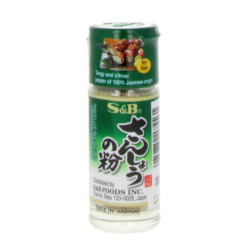
It can also be added to tsuyu served with udon noodles.

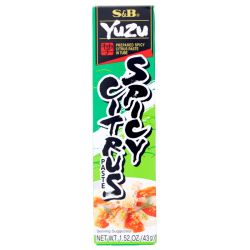
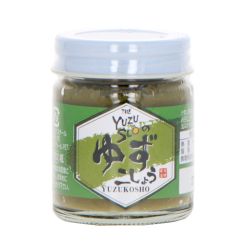
Yuzu koshô (柚子胡椒) is a concentrated paste made with chilli, salt and Japanese yuzu peel. A small amount is enough to enhance a broth, marinade, sauce or vegetables. It does not replace Japanese wasabi, which is better suited to sushi, sashimi and cold noodles.

Umeboshi paste (梅干し) is not a spice, but a very salty and tangy condiment that adds character to rice, vegetables and sauces. It is made from salted ume plums.

Koji plays a central role in Japanese fermentation: it is used in particular to make miso and many other seasonings. Mixed with water and salt and then fermented, it becomes shio koji, a mild, salty condiment that enhances umami while helping to tenderise food.

It can replace part of the salt in a marinade, sauce or cooked dish.

Active filters

  • Availability: Available
  • Origin: Japan