






-
MenuBack
- いらっしゃいませ Japanese grocery store
-
Japanese Grocery
-
-
separateur
-
separateur
-
-
separateur
-
-
separateur
-
-
separateur
-
-
Voir tous les produits
-
-
-
Japanese Teas
-
-
The Satsuki
-
-
-
champ de thé
-
-
Tea accessories
-
accessoires pour le thé
-
-
-
Sake
-
-
espacement
-
-
-
-
-
-
-
-
Tableware and Accessories
-
-
-
-
-
-
-
-
Voir tous les produits
-
-
-
Instant food & Snacks
-
-
Blog & Japanese Recipes
-
-
blog japonais
-
-
-
-
-
-
News & Special offers
-
-
-
-
-
-
-
-
-
Pro
-
-
Japanese rice
Japanese rice is much more than a side dish: it plays a central role in meals and in Japan’s culinary culture. With over a hundred different rice varieties, Japan is renowned for the quality of its rice.
The word ご飯 (gohan) can refer both to cooked rice and to the meal itself.
Most rice eaten in Japan belongs to the japonica group: its short or medium grains are fairly plump and rich in starch, becoming tender and slightly sticky after cooking, without being glutinous rice.
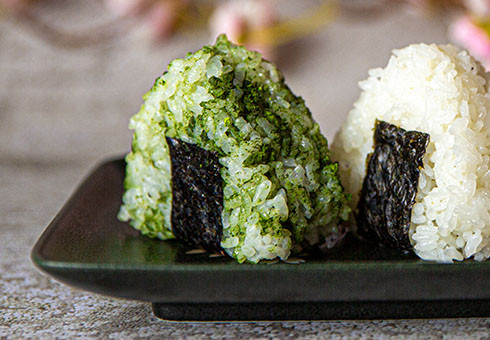
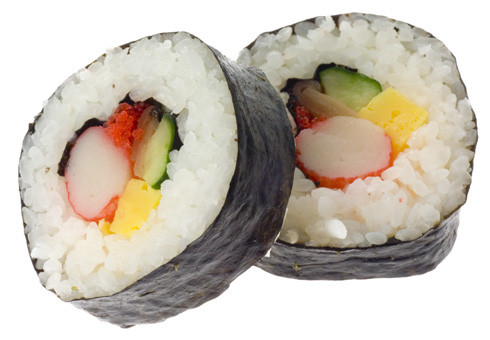
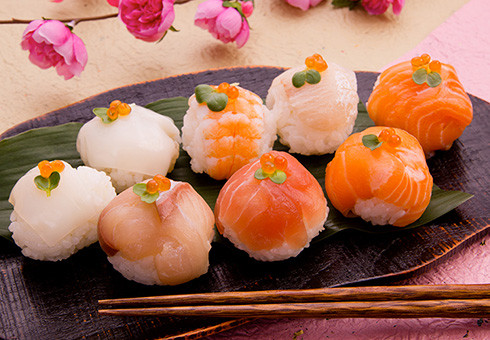
Served plain, shaped into onigiri, prepared for sushi or paired with a dish in sauce, Japanese rice can vary considerably depending on the variety chosen and how it is cooked.
Which Japanese rice should you choose?
For everyday meals, short- or medium-grain white rice provides the expected texture for serving with donburi or Japanese curry, making onigiri, or preparing sushi once seasoned. It is usually white rice, 白米 (hakumai), whose grain has been polished.
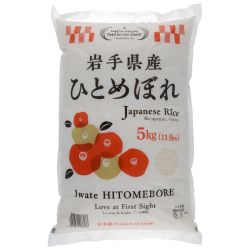
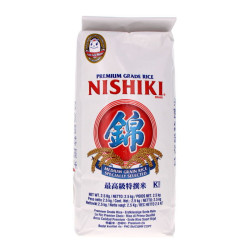
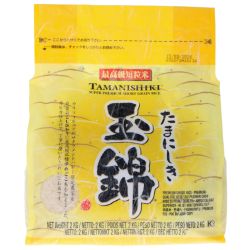
Here, the term “Japanese rice” describes a type of rice and its culinary use. It does not mean that every product is grown in Japan. Our current selection includes rice from Japan, Italy and the United States. For rice grown in Japan, and to compare specific varieties or regions, our freshly polished Japanese rice offers a more focused selection.
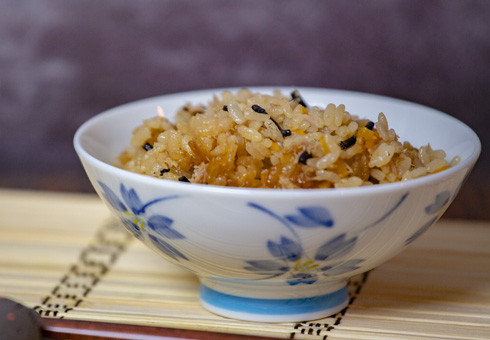
Japanese brown rice, or 玄米 (genmai), retains its outer bran layer. It has a more pronounced flavour and a firmer texture, and requires a different cooking method from white rice.
Japanese glutinous rice, or もち米 (mochigome), contains a particular type of starch that makes it very sticky after cooking. It is used especially to prepare mochi and should not be confused with the short-grain rice used for sushi.
Kirimochi and other rice-based products are grouped separately, while precooked rice provides a quick serving of rice when prepared according to the instructions for each product.
How to prepare Japanese rice
Rinsing, resting time, the amount of water and cooking time can vary depending on the rice and the appliance used. Our guide on how to cook Japanese rice covers the essential steps for consistent results.
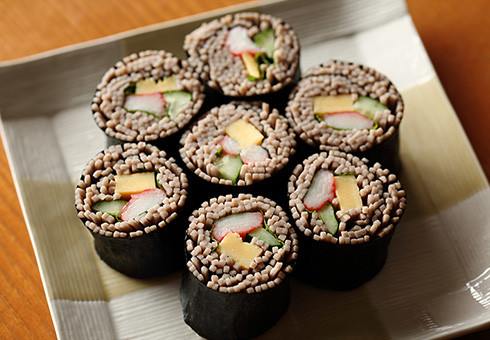
For maki, nigiri and chirashi, the cooked rice must then be seasoned. The method is explained in our guide to preparing sushi rice.
When specific instructions are provided, especially for brown rice or a precooked product, the directions on the packaging and product page should always take priority.
There are 5 products.
Active filters
- Availability: Not available