






-
MenuBack
- いらっしゃいませ Japanese grocery store
-
Japanese Grocery
-
-
separateur
-
separateur
-
-
separateur
-
-
separateur
-
-
separateur
-
-
Voir tous les produits
-
-
-
Japanese Teas
-
-
The Satsuki
-
-
-
champ de thé
-
-
Tea accessories
-
accessoires pour le thé
-
-
-
Sake
-
-
espacement
-
-
-
-
-
-
-
-
Tableware and Accessories
-
-
-
-
-
-
-
-
Voir tous les produits
-
-
-
Instant food & Snacks
-
-
Blog & Japanese Recipes
-
-
blog japonais
-
-
-
-
-
-
News & Special offers
-
-
-
-
-
-
-
-
-
Pro
-
-
Filter By
Availability
Availability
Ramen and Chukamen Noodles
The ramen noodles sold here come without soup or seasoning. They allow you to prepare the entire bowl yourself, choosing the broth, toppings and cooking method separately.
Ramen and chukamen: what do these terms mean?
Ramen (ラーメン) originally refers to the dish, while the noodles used are chukamen (中華麺). These “Chinese-style noodles” were adopted and then widely integrated into Japanese cooking. In France, the expression “ramen noodles” is commonly used to refer to the chukamen intended for this dish.
Chukamen are made from wheat flour, water and kansui (かん水), a blend of alkaline salts. Kansui acts on the dough and gives the noodles their firmness, elasticity, slightly yellow colour and characteristic flavour.
This is the main difference between chukamen and udon, which are also made from wheat but do not have the same alkalinity. Chukamen may be thin or thick, straight or wavy. Thinner noodles cook quickly, while thicker varieties have more chew and remain more noticeable in a rich broth.
What is Japanese ramen?
A Japanese ramen dish consists of chukamen, a seasoned broth, an aromatic oil and various toppings, served in a large ramen bowl with enough space for the noodles, broth and toppings without crowding them together. Its balance depends just as much on the noodles as on the soup.
There are three main styles of ramen: shoyu ramen uses a soy sauce seasoning, miso ramen has a rounder, more pronounced flavour, while tonkotsu uses a pork broth cooked for a long time. There are also ramen made with salt, chicken or seafood, as well as recipes combining several types of broth.
To prepare ramen, the noodles are cooked separately in a large amount of boiling water, then drained before being placed in the hot broth. Manufacturers may also recommend rinsing them briefly after cooking to stop the cooking process and remove excess starch.
The bowl can then be topped with an egg, chashu pork, spring onion, menma bamboo shoots, nori or other vegetables. Ramen broths make it easy to prepare the soup base.
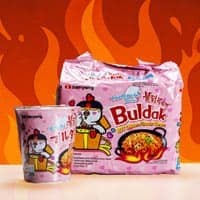
In Japan, ramen is part of everyday life and is also available in instant form. Whether sold in a packet or directly in a cup, the noodles come with their seasoning and can be prepared in just a few minutes.
There is 1 product.
Active filters
- Availability: Not available