Japanese seaweed is part of everyday cooking in Japan, but each variety has a different texture and role. Nori is used for wrapping or seasoning, kombu flavours broths, and wakame is eaten after rehydration. This category also includes aonori, arame, dulse, seaweed salad mixes and agar-agar: the right choice therefore depends above all on the dish you want to prepare.
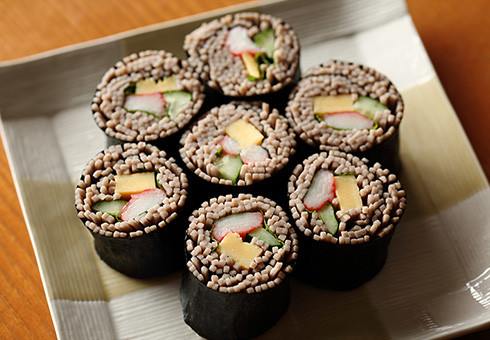
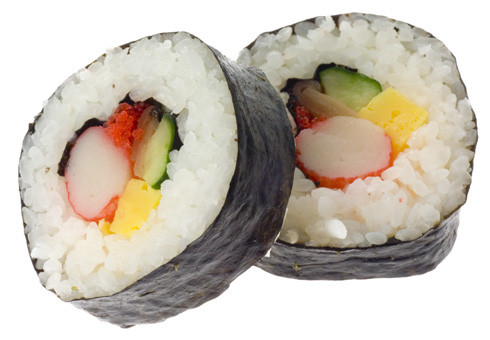
Nori is available as whole sheets for maki, onigiri and temaki, but also finely sliced as kizaminori for garnishing rice, noodles or chirashizushi. Its thinness, evenness and crispness are particularly important when it is eaten directly.
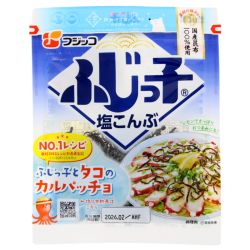
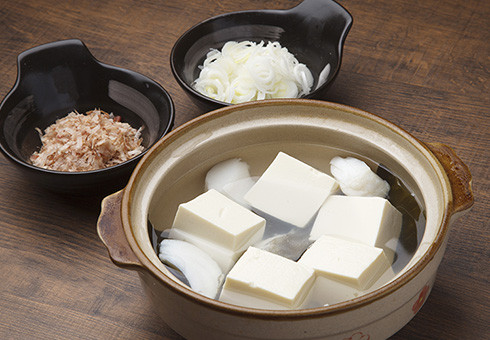
Kombu is a thick seaweed that is infused to add depth and umami: it is one of the foundations of Japanese dashi.
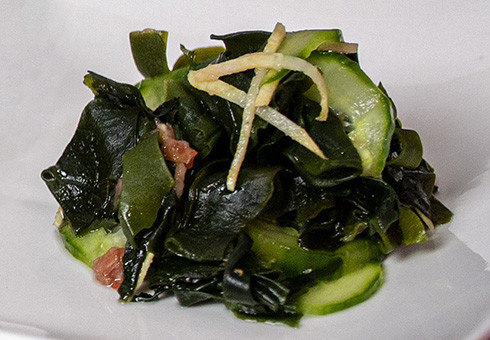
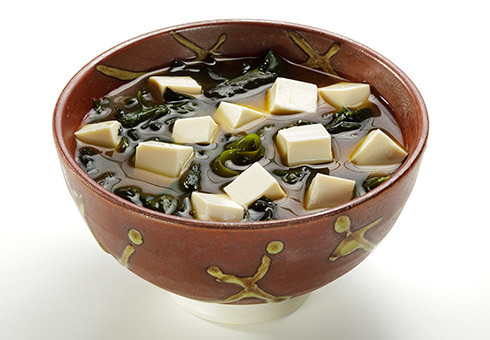
More tender, wakame is served in miso soups, salads and certain noodle dishes.
Aonori is used differently: reduced to flakes, it is sprinkled over okonomiyaki, takoyaki or yakisoba.
To prepare maki or onigiri, choose nori sheets suited to the required format. Pre-cut sheets are convenient for temaki, while finely sliced nori is better suited to garnishing dishes.
For a broth, choose kombu. For a soup or salad, wakame is the simplest choice. Dried wakame and arame increase considerably in volume after rehydration, so a small amount is generally enough.
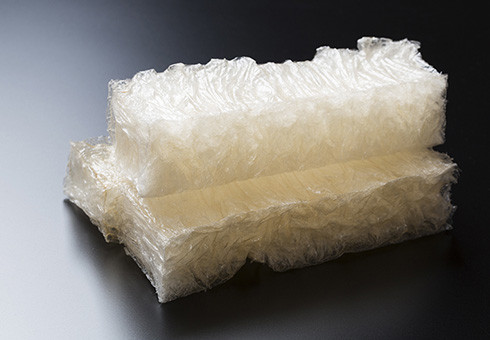
Agar-agar has a completely different use, as it is used to set savoury and sweet preparations.
Nori snacks differ from the large sheets used for sushi. Generally grilled and then lightly seasoned with oil, salt or flavours such as wasabi, spices or barbecue, they are thinner, more delicate and ready to eat. Very common among Korean products, they can also be crumbled over a bowl of rice, a salad or noodles to add a crisp, savoury touch.