Japanese dashi (だし) is a light stock used as the basis of a large part of Japanese cooking. More than a soup, it is a background seasoning: it brings umami, highlights the flavour of the ingredients and gives dishes their characteristic balance without necessarily dominating their taste.
The most common traditional dashi combines kombu seaweed, naturally rich in umami, with dried bonito katsuobushi, which adds greater depth and light smoky notes. Dashi can also be prepared using only kombu, bonito, dried shiitake mushrooms or small dried fish. Combining kombu and katsuobushi produces awase dashi, a versatile stock used in a wide range of recipes.
Making it yourself simply requires careful control of the temperature and infusion time: our guide explains step by step how to make your own dashi.
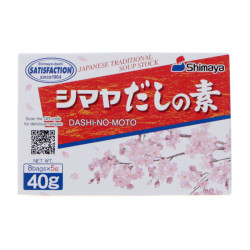
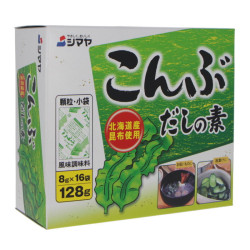
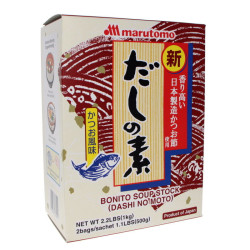
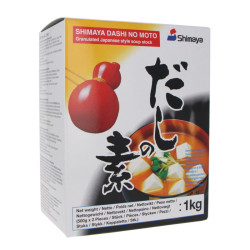
Dashi no moto (だしの素), or instant dashi, is the most convenient option for everyday cooking. Available as powder, granules or sticks, it dissolves directly in water and makes it easy to measure the amount of stock required.
Bonito dashi has a more pronounced marine character and works particularly well in soups, simmered dishes and sauces.
Kombu dashi generally has a more delicate flavour and provides a good base for vegetables, tofu and many plant-based dishes. However, the ingredients should still be checked when looking for a strictly vegetarian product.
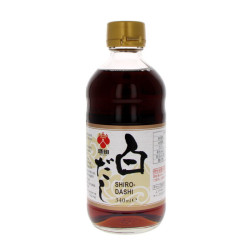
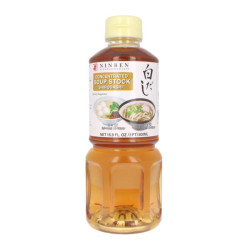
Shiro dashi (白だし) is different: this liquid concentrate already combines dashi with seasonings such as light soy sauce and mirin. It must be diluted and is easy to use in clear broths and dishes such as chawanmushi or tamagoyaki.
The chicken stock included in this category is better suited to recipes requiring a fuller-bodied base, particularly certain ramen dishes, and is not an exact substitute for traditional dashi.
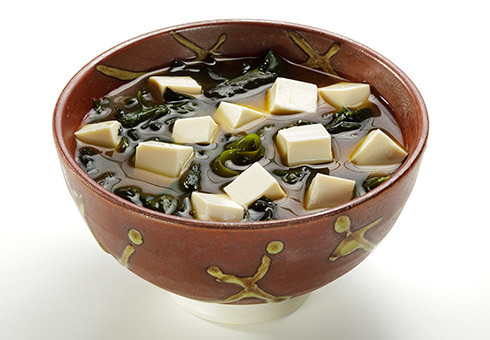
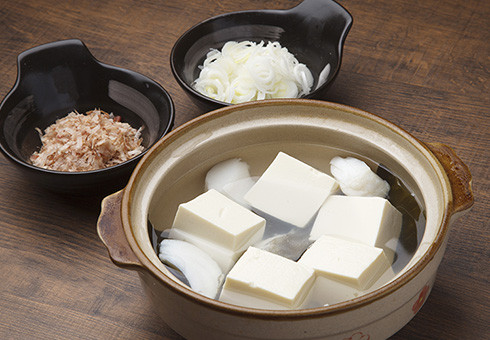
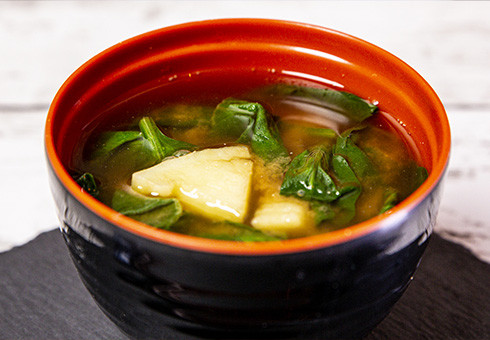
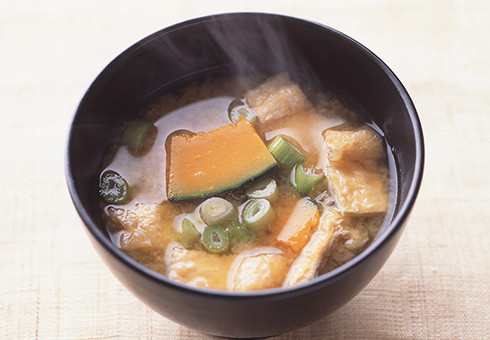
Dashi forms the liquid base of miso soup: the miso seasons it, but it is the stock that gives the dish its depth. It is also used with udon and soba, although tsuyu noodle broths already contain soy sauce and mirin. Dashi can also be used to cook vegetables, prepare nimono, loosen a sauce, season a Japanese omelette or make broths for nabe and oden.
A good approach is to begin with a fairly light stock, then adjust its concentration according to the dish and the other seasonings used.