-
MenuBack
- いらっしゃいませ Japanese grocery store
-
Japanese Grocery
-
-
separateur
-
separateur
-
-
separateur
-
-
separateur
-
-
separateur
-
-
Voir tous les produits
-
-
-
Japanese Teas
-
-
The Satsuki
-
-
-
champ de thé
-
-
Tea accessories
-
accessoires pour le thé
-
-
-
Sake
-
-
espacement
-
-
-
-
-
-
-
-
Tableware and Accessories
-
-
-
-
-
-
-
-
Voir tous les produits
-
-
-
Instant food & Snacks
-
-
Blog & Japanese Recipes
-
-
blog japonais
-
-
-
-
-
-
News & Special offers
-
-
-
-
-
-
-
-
-
Pro
-
-
Filter By
Availability
Availability
Origin
Origin
Special
Special
Azuki and Anko
In Japan, azuki beans have a special place. Naturally mild in flavour, these small red beans are traditionally associated with happy occasions and important moments in life. Eaten whole in savoury or sweet preparations, they are mainly used to make anko, the sweet red bean paste that forms one of the foundations of Japanese confectionery.
Azuki, anko, kuromame, koshian and tsubuan: a few explanations
Azuki is a small red bean with a mild flavour, eaten whole, either plain or sweetened.
Anko is not another variety of bean: it is a preparation made by cooking azuki beans with sugar.
Its texture changes depending on the method used:
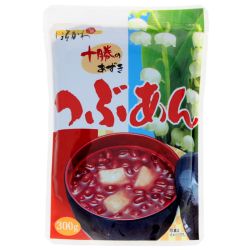
Tsubuan retains pieces and whole beans, while koshian is strained to produce a smooth paste.
Yude azuki, or cooked beans, and ogura an also retain clearly visible beans and are suitable when you want more texture.
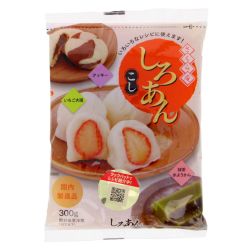
Other beans also have an important place in Japanese cooking. White beans are used especially to prepare shiroan, a smooth, pale and delicate sweet paste widely used in wagashi, or Japanese confectionery.
Larger and plumper than azuki, kintoki mame are generally simmered with sugar and eaten whole.
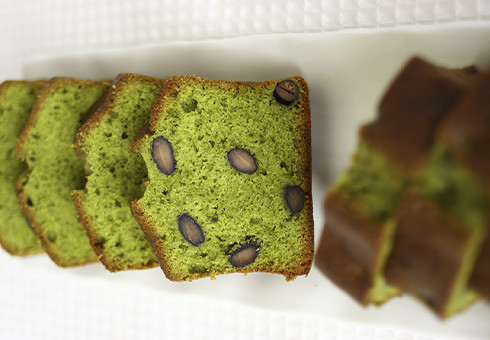
Kuromame are black soybeans traditionally cooked in a slightly sweet sauce and served at New Year as part of osechi, where they symbolise health and longevity.
How to use azuki and anko
Cooked unsweetened azuki can be combined with Japanese glutinous rice to prepare sekihan, or added to a vegetable dish.
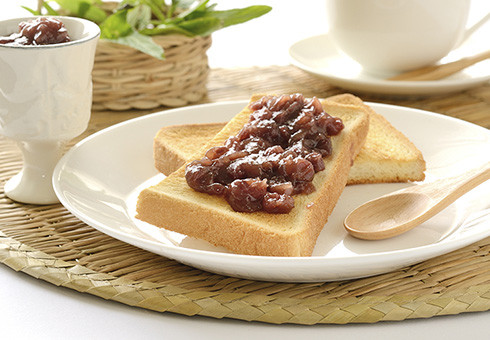
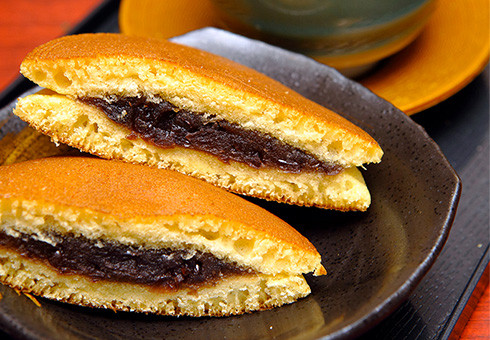
Ready-to-use anko is much simpler to work with: it fills dorayaki and forms the basis of the filling used in mochi and daifuku. It can also be spread on toast, incorporated into a cake or served over ice cream, particularly with Japanese matcha.
It is also used as the base for oshiruko and zenzai. Yokan illustrates another particularly Japanese way of using azuki.
There are 7 products.
Active filters