








-
MenuBack
- いらっしゃいませ Japanese grocery store
-
Japanese Grocery
-
-
separateur
-
separateur
-
-
separateur
-
-
separateur
-
-
separateur
-
-
Voir tous les produits
-
-
-
Japanese Teas
-
-
The Satsuki
-
-
-
champ de thé
-
-
Tea accessories
-
accessoires pour le thé
-
-
-
Sake
-
-
espacement
-
-
-
-
-
-
-
-
Tableware and Accessories
-
-
-
-
-
-
-
-
Voir tous les produits
-
-
-
Instant food & Snacks
-
-
Blog & Japanese Recipes
-
-
blog japonais
-
-
-
-
-
-
News & Special offers
-
-
-
-
-
-
-
-
-
Pro
-
-
Filter By
Availability
Availability
Origin
Origin
Sesame : Seeds & Tahini
Sesame (胡麻, goma) is one of those small ingredients that immediately changes the character of a Japanese dish. Used whole, ground or made into a paste, it adds a roasted flavour, crunch or a creamier texture. White sesame generally has a fairly mild flavour, while black sesame has a more pronounced taste and a colour that is particularly interesting in sauces and desserts.
Sesame in Japanese cooking
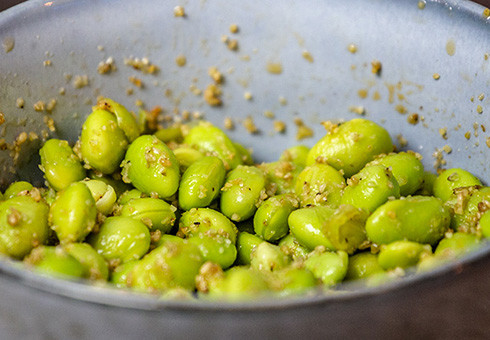
Sesame seeds can accompany Japanese rice, vegetables, salads, noodles and tofu. They may remain a subtle ingredient or become the main seasoning, as in goma-ae, where vegetables are coated in a ground sesame sauce.
Sesame is also found in many furikake seasonings for rice, creamy sauces and black sesame desserts. This versatility explains its place in everyday Japanese cooking: a few seeds are enough to add texture, while sesame paste quickly brings greater depth to a preparation.
Whole seeds or surigoma: how should you use them?
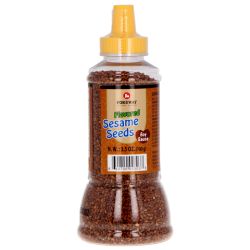
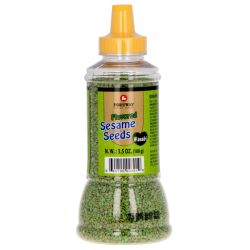
Irigoma (いりごま) refers to whole toasted sesame seeds. They can be used directly on rice, onigiri, vegetables, salads or a bowl of Japanese noodles. Seeds flavoured with yuzu, wasabi, umeboshi or soy sauce provide a very simple way to season a dish, while gomashio (ごま塩) traditionally combines sesame with salt.
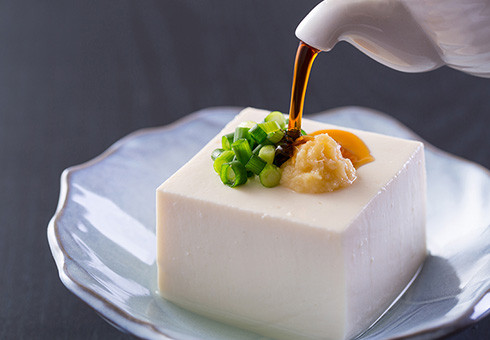
Surigoma (すりごま) is toasted and ground sesame. Grinding releases its natural oils and makes its aroma much more noticeable than that of whole seeds. It mixes easily with soy sauce, vinegar, miso or sugar to prepare a goma-ae sauce, season spinach, green beans, a salad or Japanese tofu.
It is also convenient in broths and noodle sauces, adding flavour without giving them the thick texture of sesame paste.
Tahini or nerigoma: what are the differences?
Tahini is the name most commonly used in Europe for sesame paste, although it originally belongs to Middle Eastern cuisines. In Japan, the usual term is nerigoma (練りごま): the seeds are ground for a long time until they form a smooth paste rich in natural oils.
Japanese nerigoma often has a more toasted flavour, while the taste of tahini depends on the type of seeds used and how it is made.
There are 3 products.
Active filters
- Origin: Taiwan