




Filter By
Availability
Availability
Special
Special
Rice can be transformed into very different products depending on the country, the variety used and the production method. This category brings together Japanese kirimochi, Korean rice cakes and Vietnamese rice paper. Although they share the same main ingredient, each has its own texture, preparation method and uses.
Kirimochi (切り餅), literally “square mochi” — marumochi, or “round mochi”, also exists — is made from Japanese glutinous rice that is cooked, pounded, shaped and cut into portions. These rice cakes are called mochi (餅). Firm when cold, kirimochi expands, softens and becomes very elastic when grilled or heated.
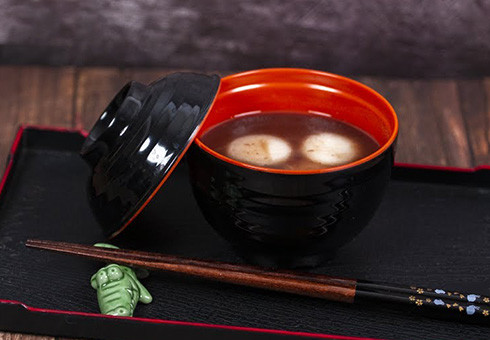
It can be enjoyed with soy sauce, kinako or anko, or added to soups such as ozoni, traditionally served at New Year.
In Japan, mochi also has strong cultural significance, particularly during New Year celebrations. Its traditional preparation, called mochizuki (餅つき), consists of pounding cooked glutinous rice and is associated with a moment of sharing among family or the wider community. Mochi is also linked to New Year offerings, such as kagami mochi, and to the first meal of the year.
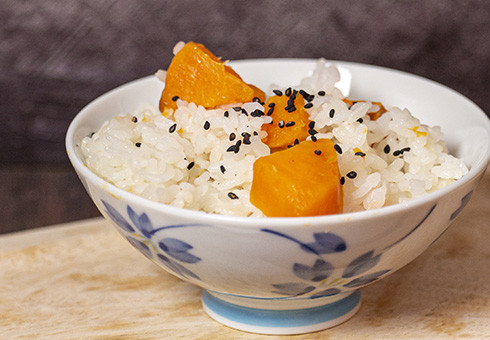
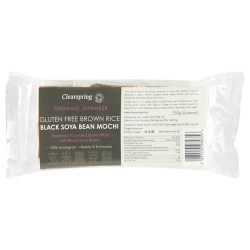
Brown-rice kirimochi has a fuller flavour, while some recipes combine rice with black soybeans. Kirimochi is a product that needs to be cooked: it differs from ready-to-eat mochi and daifuku, which are often sweet and may contain a filling.
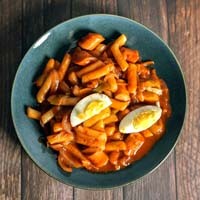
Korean rice cakes, called tteok (떡), are available as sticks or slices. The sticks are used especially to prepare tteokbokki with a spicy sauce, while the slices can be added to soups or stir-fried dishes. Their texture becomes tender and elastic after cooking. Korean sauces and seasonings can be used to complete these dishes.
Vietnamese rice paper is completely different: thin and dry, it softens when moistened and is used to wrap spring rolls and other fillings.
There is 1 product.
Active filters